What is the difference between non-woven, woven and knitted?
In the world of haute couture as well as industrial ready-to-wear, garments possess an invisible architecture: interlining. It is what gives a collar its hold, a lapel its roll, and a jacket its structure.
But to choose the right "backbone," you need to understand the basics. There are three main categories: woven, non-woven, and knitted. Here is how to tell them apart and, most importantly, how they are manufactured to elevate your creations.
- Non-woven: industrial efficiency
- Woven: the classic architect
- Knitted: the pinnacle of flexibility
- Conclusion: which interlining for which project
Non-woven: industrial efficiency
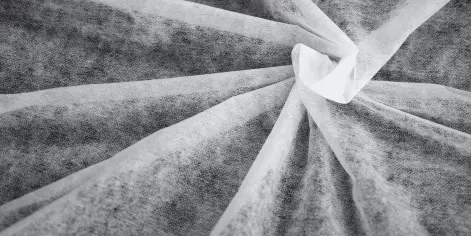
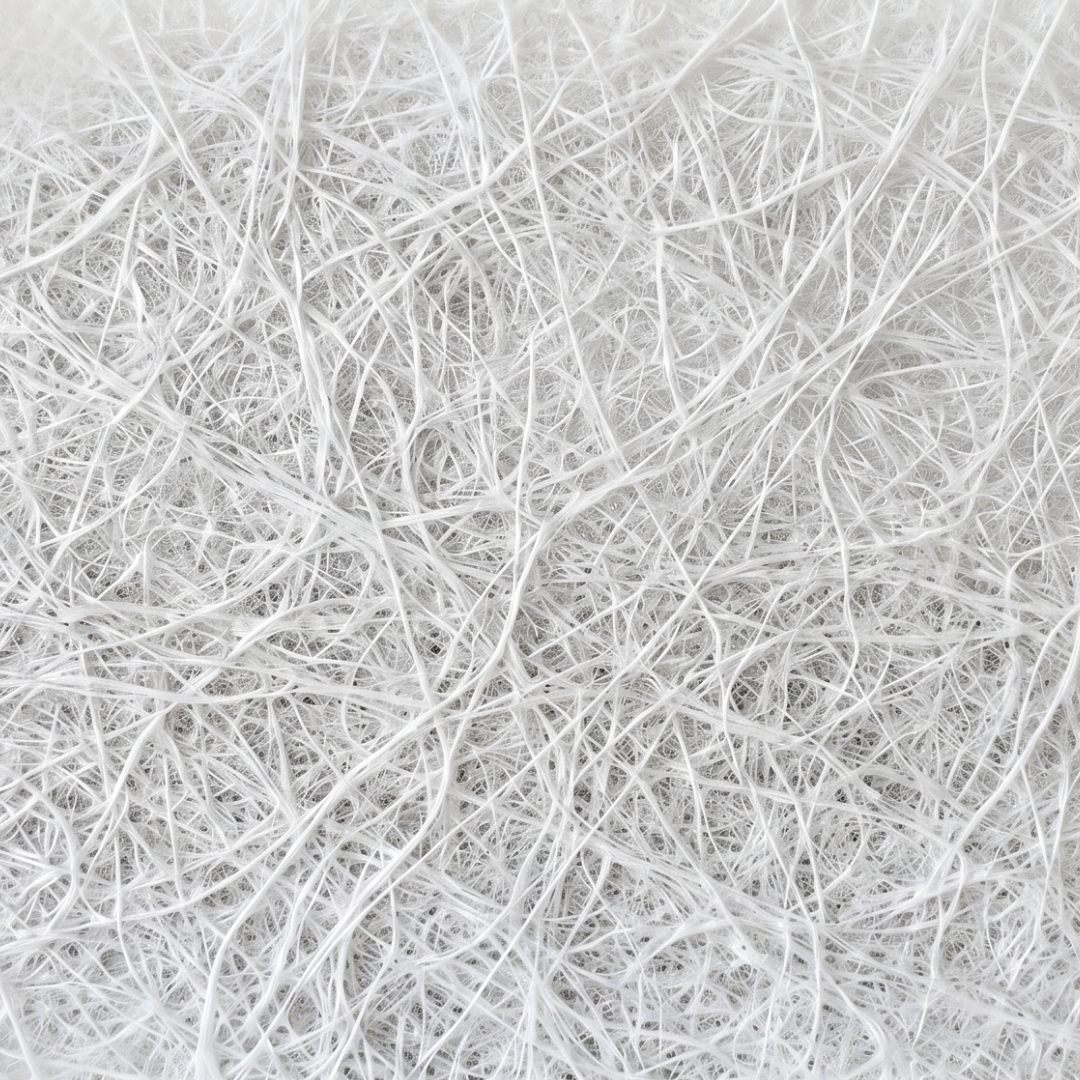
Non-woven is the "sprinter" of interlining. Here, there are no complex interlacing yarns. Textile fibers are bonded directly together using chemical or thermal binding.
- Structure: a web of compressed fibers.
- Strengths: highly cost-effective and efficient for mass production.
- Weaknesses: little to no elasticity. It is ideal for stabilizing parts that must absolutely not shift.
- Use: ideal for low budgets or areas requiring straightforward rigidity.
Discover our range of non-woven interlinings: Tisséless.
Woven: the classic architect
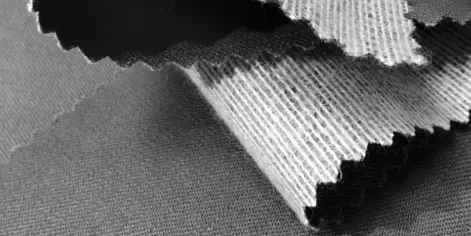
Woven follows the traditional method: a loom copy-interlaces vertical yarns (warp) and horizontal yarns (weft). It is the most stable and robust structure.
The weave type (the interlacing pattern) can be altered to change the fabric's "hand":
| Weave Type | Description | |
|---|---|---|
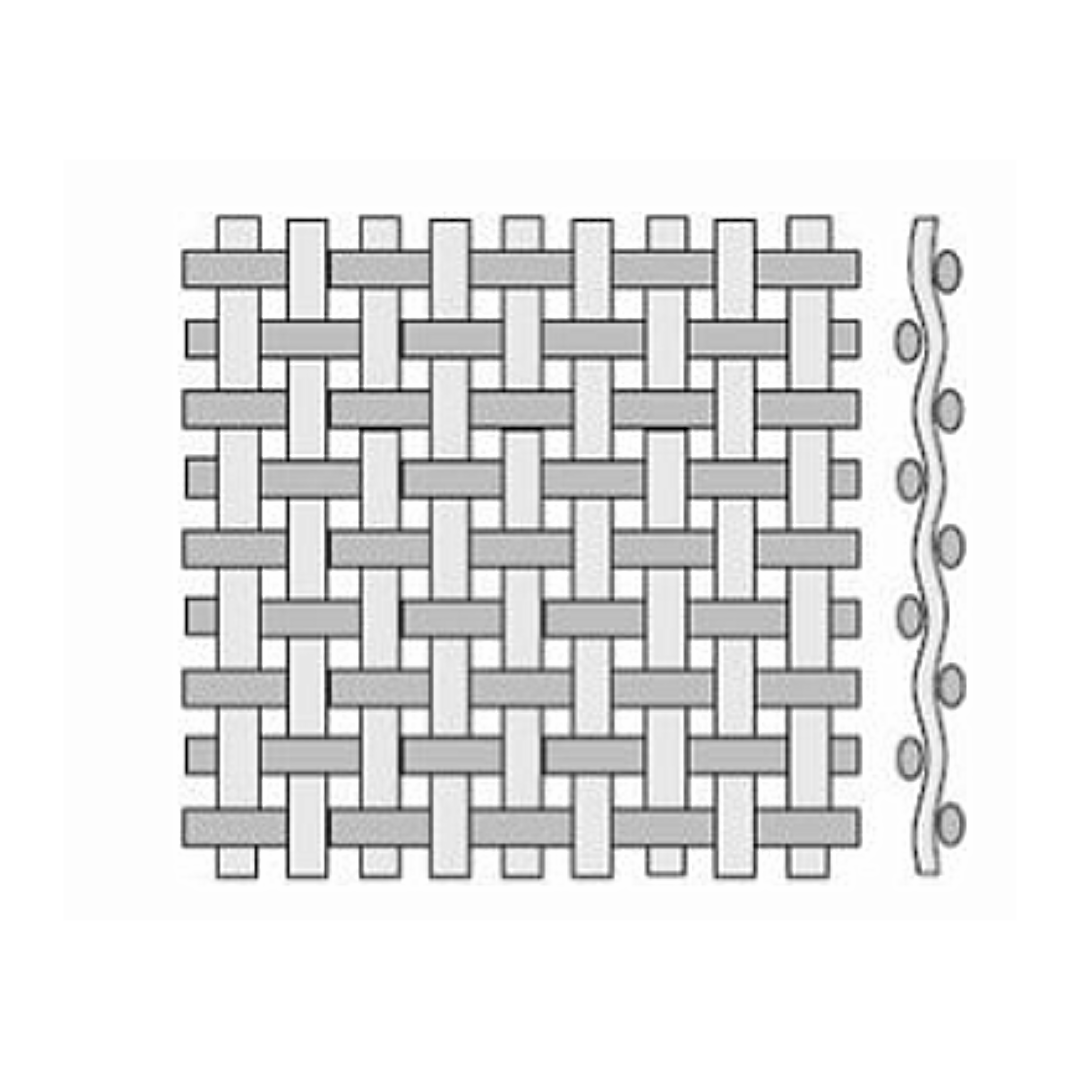 | Plain Weave 1/1 | The warp yarn and the weft yarn pass over and under each other alternately. Visually, the yarn is only visible when it is on top. |
| 2/2 Weave | The yarn goes over twice, then under twice. | |
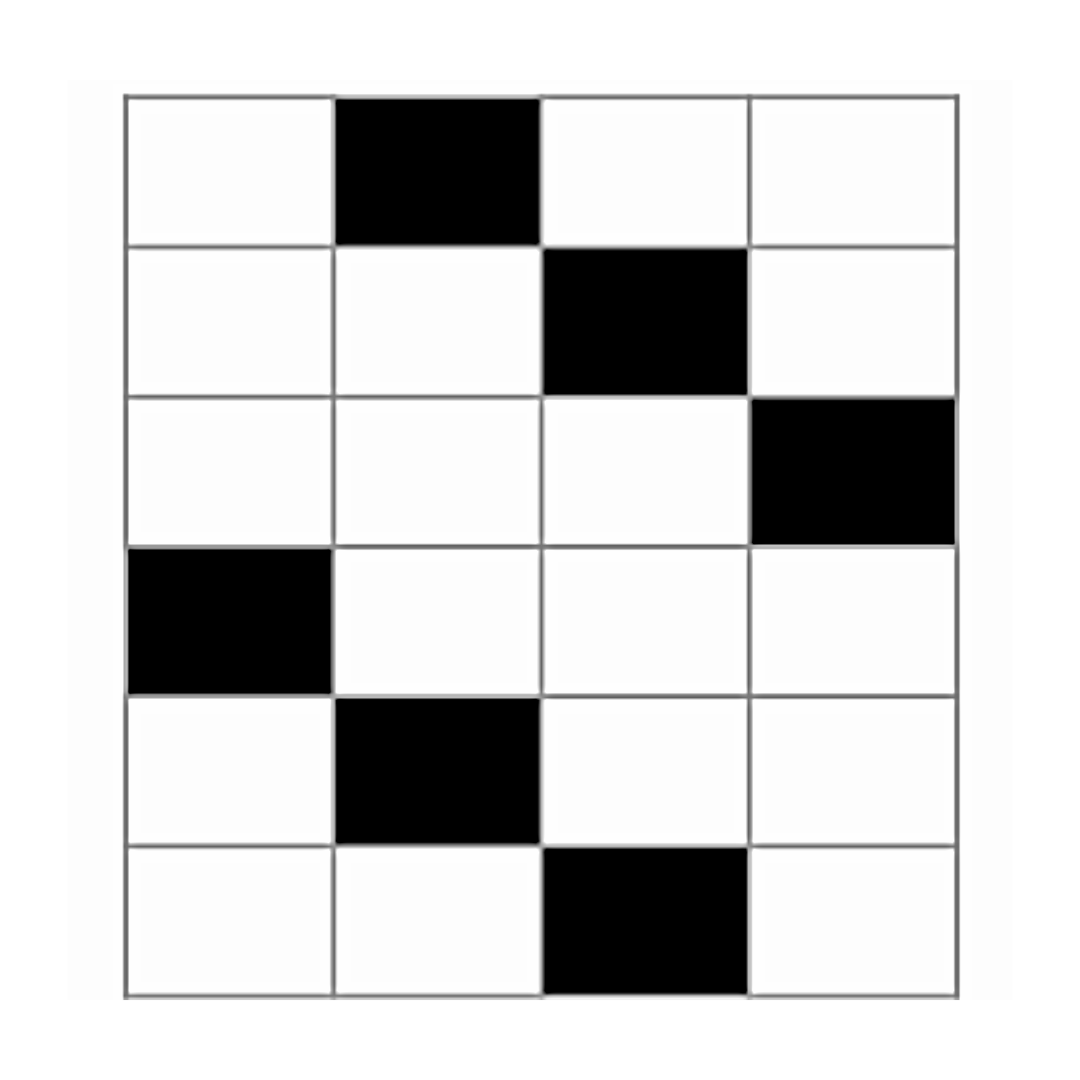 | 3/1 Weave | This asymmetrical ratio radically changes the hand of the fabric. The weft (or warp) yarn floats over 3 yarns before passing under the 4th. |
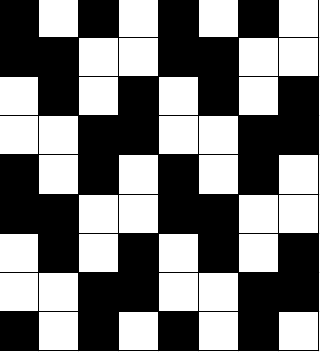
Woven represents the choice of excellence for suit jackets and tailored pieces that require impeccable support without any stretch.
Discover our range of Bertero tailor canvases.
Knitted: the pinnacle of flexibility
Knitted does not simply cross yarns; it interlaces them in the form of loops. This process gives it natural stretch and an exceptional shape-memory capacity. It is particularly recommended for women's clothing and fluid silhouettes.
Hybrid structures for every need
At Chargeurs PCC, we primarily work with 3 types of knit:
| Knit Type | Description | |
|---|---|---|
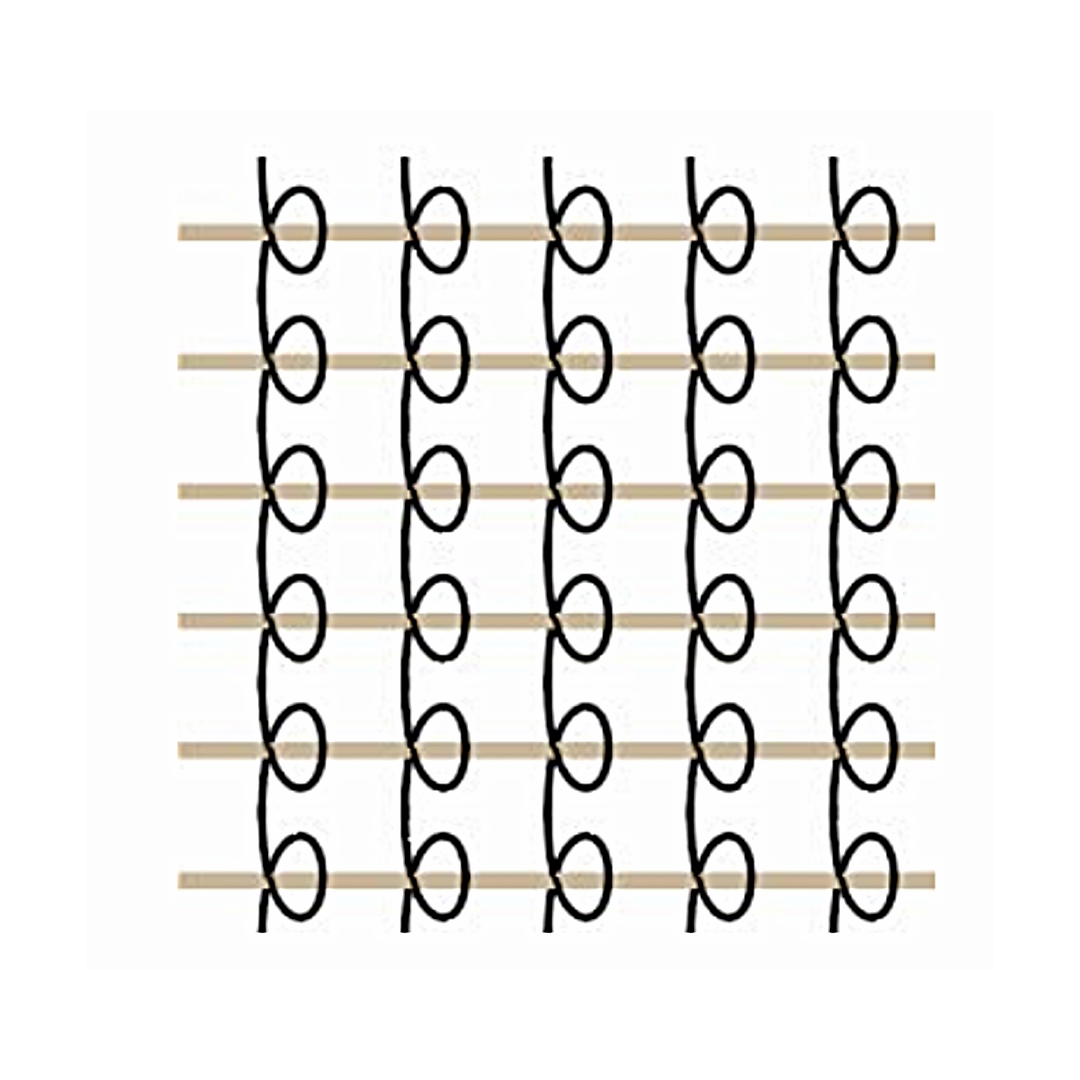 | Warp Knit (Chaînette) | The warp is processed under tension, hiding its typical looped appearance. The emphasis is on the weft, where the textured yarn creates a denser and more voluminous surface, offering a rich texture to the touch. |
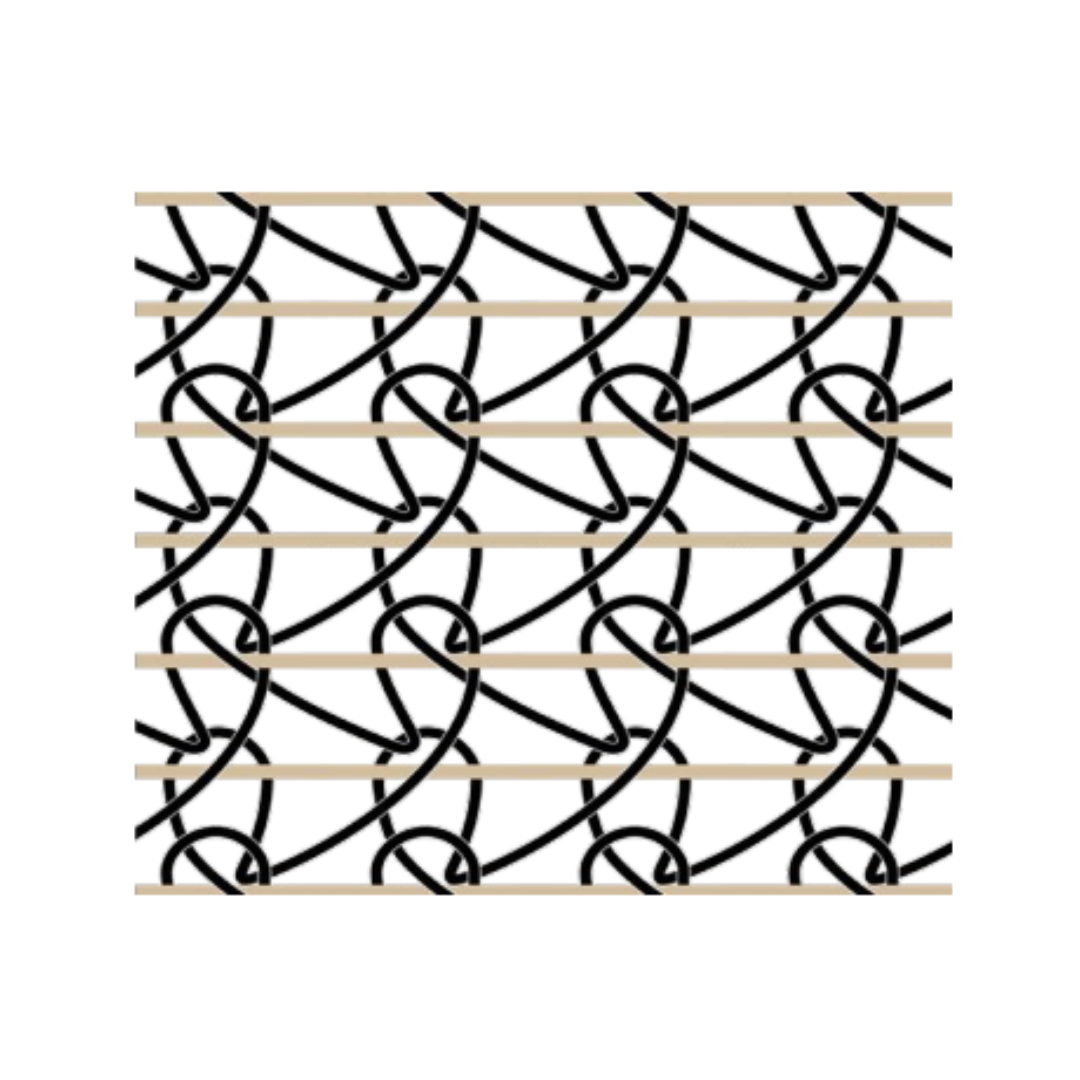 | Weft Insertion | The warp runs from left to right, creating diamond shapes. |
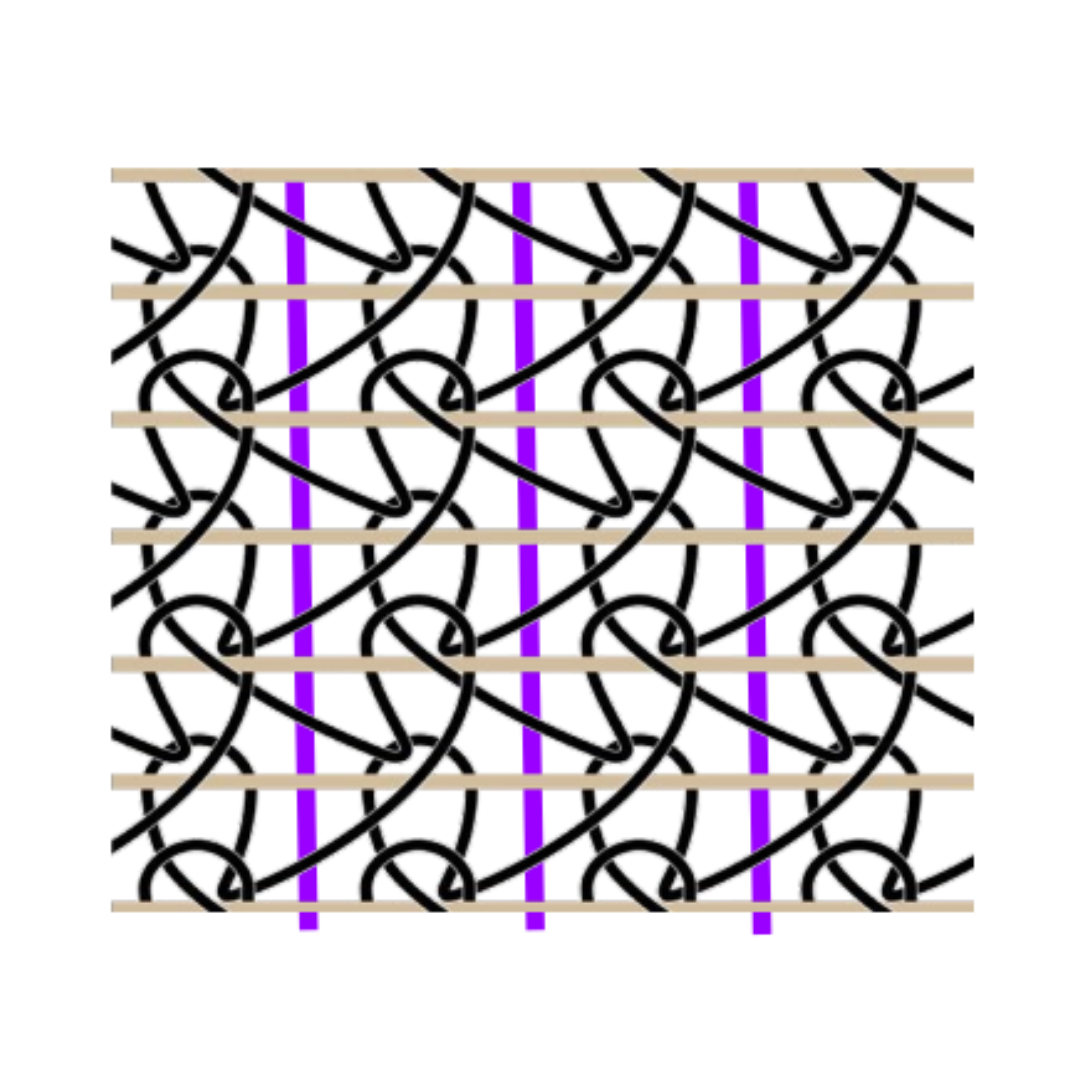 | Top Satin | An extremely dense hybrid structure. In addition to its inserted weft, it incorporates an extra unknitted warp. This more complex construction creates a more "closed" and opaque textile, offering generous volume. |
Behind the scenes of high-precision manufacturing
.jpg)
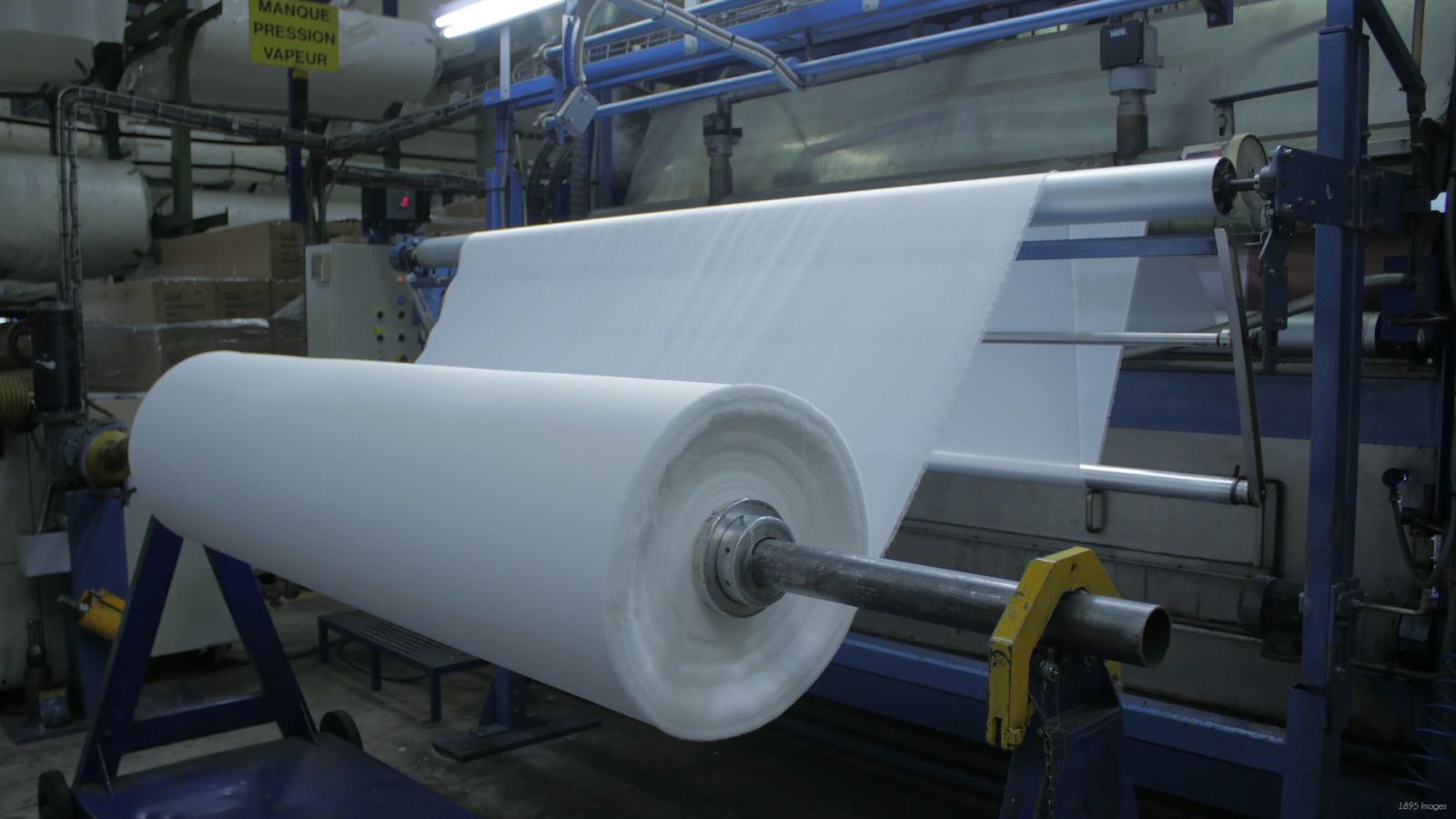
In our French factory Lainière de Picardie, manufacturing knitted interlining is an almost surgical art. It all starts with the selection of rigorously tested yarns (often viscose or polyester):
- Quality control: with every arrival, the yarn is tested in the laboratory (yarn count, tensile strength, elasticity).
- The trial by fire (almost): the yarns are passed through a shrinkage machine at 190°C. Why? We aim for a controlled shrinkage (around 20%) to ensure maximum comfort and elasticity in the final garment.
- Technical expertise: for black, we use solution-dyed yarn with carbon black (2%) for unmatched color depth, while reducing water consumption. This ensures color consistency from batch to batch, as well as high color fastness to rubbing.
Finishing: when the base becomes interlining
Once off the loom, these textiles undergo heavy-duty treatments to achieve their final look:
- Sueding & raising: the surface is rubbed or napped with metallic cylinders or emery paper to add "roundness" and volume.
- Stabilization: washing + steaming in a steam trough and heat-setting in a stenter stabilize the fabric.
Finally comes the coating (the adhesive). Whether it is paste dot coating for feminine flexibility or double dot coating (a paste base scattered with powder) for structured fabrics, every single dot layout (the mesh) is calculated to prevent strike-through and guarantee durability. Check out our blog on fusible interlining to learn more about this.
Discover our range of knitted interlinings: Lainière Paris.
Conclusion: which interlining for which project?
| Type | Positioning | Advantages | Ideal Use |
|---|---|---|---|
| Non-woven | Cost-effective | Price, stability | Mass production, small accessories |
| Woven | Mid / High-end | Perfect support, robustness | Suit jackets, structured coats |
| Knitted | High-end | Elasticity, comfort, shape memory | Women's clothing, fluid silhouettes |
Do you have a specific project or are you unsure which base to use? Contact us to request a sample!