What Made in France Really Means in the Textile Industry
“Made in France” is much more than a label sewn into a garment. In the textile industry, it embodies legal standards, traceability, regional expertise, and cultural significance.
But what does it really mean to be Made in France in 2026—and how can you tell when it's authentic?
At Chargeurs PCC, the label is more than justified: it’s lived every day through French-based innovation, heritage sites like Lainière de Picardie, and strict compliance with national and European rules.
The Legal Definition: Not Just Where It’s Finished
To legally claim that a textile product is Made in France, the product must comply with the rules of non-preferential origin, governed by EU Customs Code and French DGCCRF.
In concrete terms:
- The last substantial transformation must be carried out in France.
- The manufacturing step that confers the essential character of the product must happen in France.
- A significant part of the added value (labor, know-how, materials, finishing, etc.) must come from French territory.
- In textiles, this may mean weaving, dyeing, bonding, coating, or assembling—depending on the product.
Why It Matters: Economic, Environmental & Ethical Impact
“Made in France” has real value for brands and consumers, beyond marketing. It supports:
- Local employment and regional know-how, particularly in former industrial strongholds like Hauts-de-France and Rhône-Alpes.
- Lower environmental impact, with reduced transport and strict national regulations on pollution and worker safety.
- Transparent, traceable production, in line with growing consumer expectations and European directives (like the Green Deal and the Digital Product Passport).
- For fashion houses, tailors, or technical apparel specialists, sourcing fabric interfacing from a French manufacturer adds both performance and peace of mind.
.jpg)
The North of France: Land of Lainières and Living Textile Memory
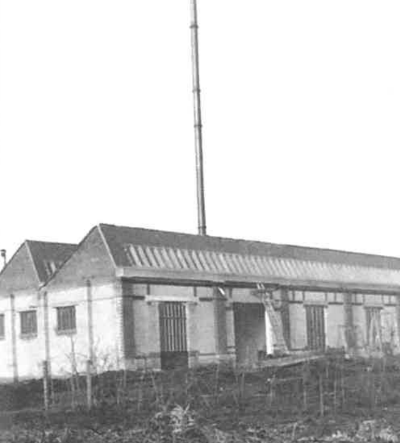
The Hauts-de-France region was once the beating heart of European textile manufacturing. Known for its lainières—factories specialized in wool and technical fabrics—it gave birth to a dense industrial ecosystem that shaped the region's identity.
Lainière de Picardie, a Chargeurs PCC flagship site, proudly carries that legacy. Established in the 20th century and constantly modernized, it is now a global leader in interlining, fusible interfacing, and textile coating, working with some of the world’s top fashion, military, and uniform brands.
Choosing to maintain and invest in this French site is a deliberate strategy—one that honors the past while preparing for the future.
At Chargeurs PCC: "Made in France" is Action, Not Decoration
At Lainière de Picardie, the commitment to French manufacturing is real and measurable:
- In-house R&D to develop sustainable, high-performance solutions
- Vertical integration of key processes like bonding fusible interlining, coating, and testing
- Certifications including OEKO-TEX®, REACH compliance, and more
- Local partnerships for raw materials and logistics, when possible
Whether it’s for luxury fashion, professional uniforms, or everyday garments, French-made sewing interfacing and interlining components from Chargeurs PCC reflect a standard that’s hard to match.
How to Recognize Real “Made in France” in Textiles

Not all claims are equal. Here's what to look for:
✅ Transparency on where each stage of production is done
✅ French origin clearly stated and justified (not just “designed in France”)
✅ Certifications or customs origin proof available on request
✅ Pricing and lead times consistent with French manufacturing
“Made in France” in textiles means commitment—to quality, to people, to tradition, and to innovation. It’s a responsibility that Chargeurs PCC assumes with pride, not as a marketing tool, but as a way of doing business.
In a world of fast fashion and complex supply chains, French manufacturing stands out for its reliability, ethics, and attention to detail. And for brands seeking to combine performance with values, that makes all the difference.